

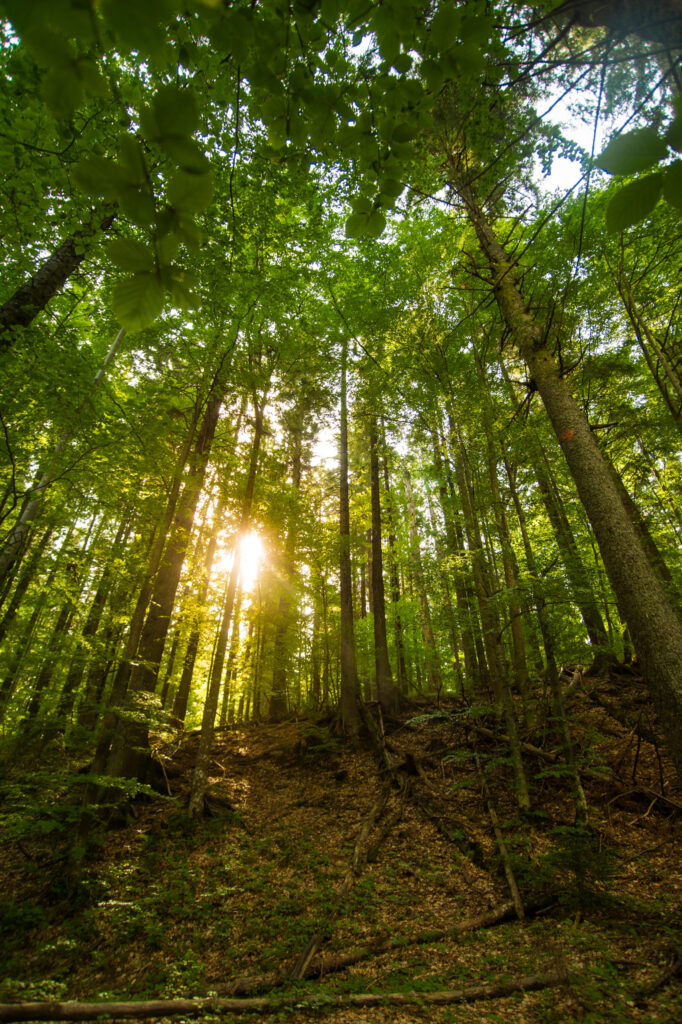
Forest therapy grew out of shinrin-yoku (“forest bathing”), a practice promoted in Japan since the 1980s. It involves mindful, structured time in woodland, following particular methods, in places chosen for their trees and their atmosphere. Alongside this contact with nature, participants do awareness exercises to bring attention to the present and actively engage all the senses in the place where they are. Researchers have been studying it for decades, and it has a growing number of practitioners around the world.
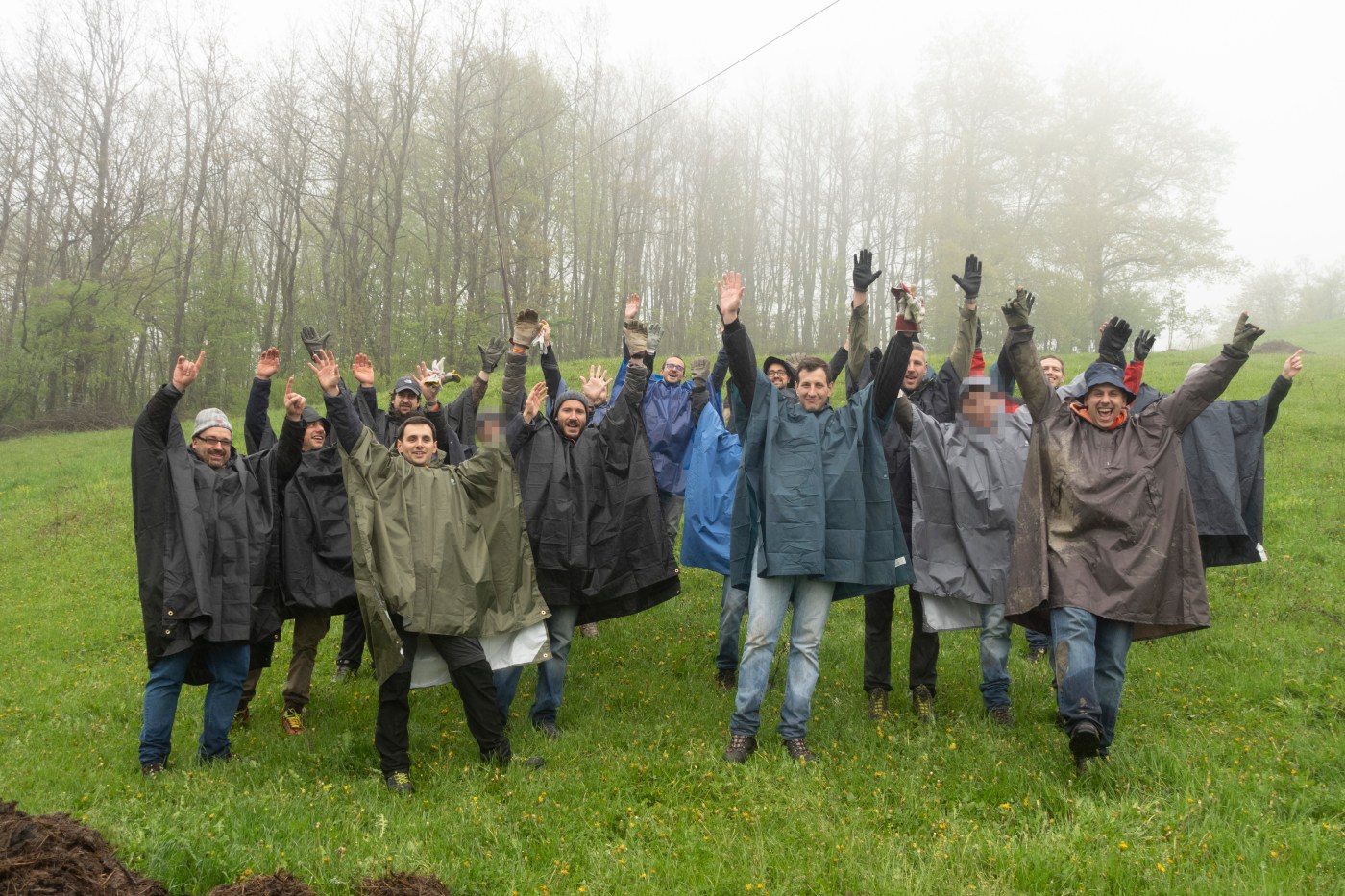
Who is it for? Everyone. It can be especially valuable for people who don’t live in contact with nature and who live or work mostly in cities.
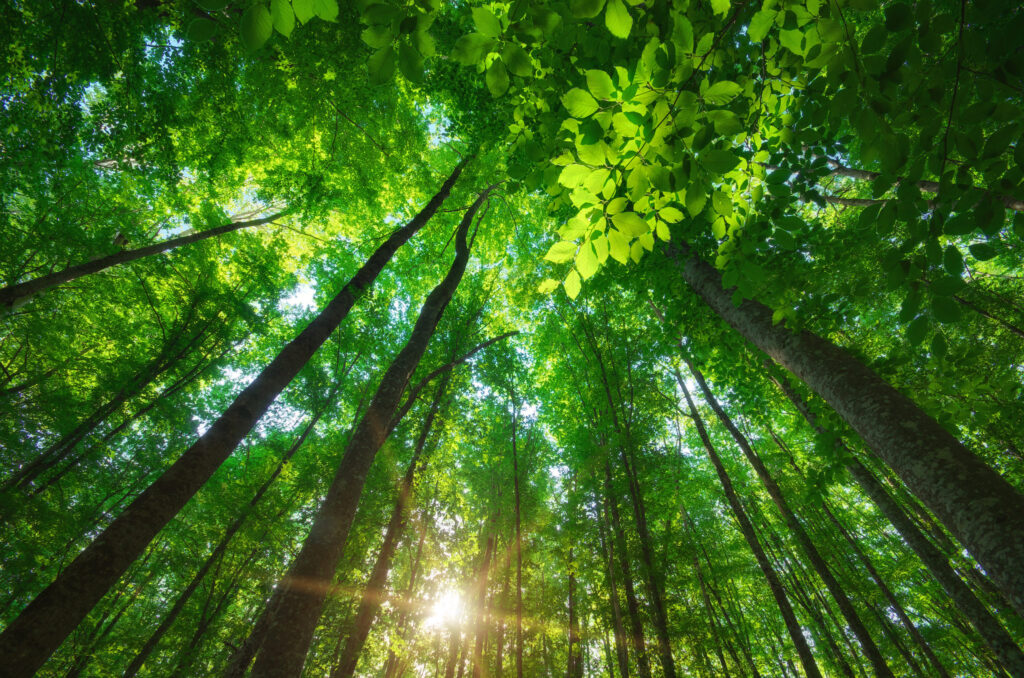
How does it work? In a group, with a guide leading a walk through carefully chosen green areas and teaching breathing and multisensory awareness techniques, adapted to each situation and setting.
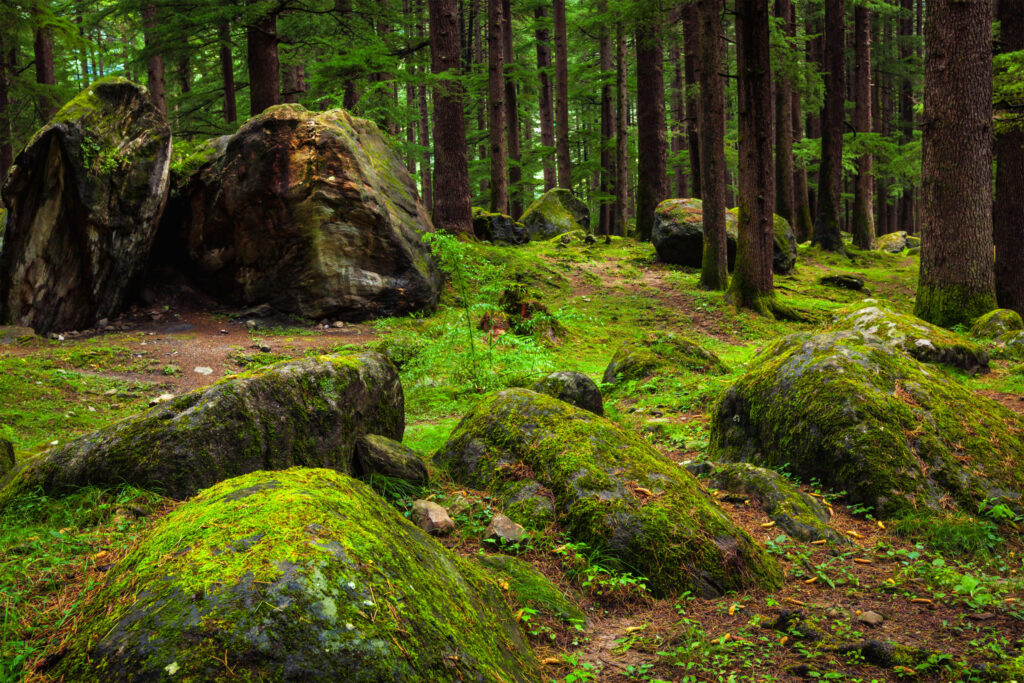
How long does it last? Half a day, a full day, or several days in a row. Time in green areas is planned around each person’s needs and the group’s availability.

What happens, in practice? Some trees release aromatic compounds, called phytoncides, that we breathe in during the walk; researchers have studied their possible effects on stress and on immune markers, with promising but still preliminary results. Soft, filtered light and the sound of leaves are relaxing for most people, and the breathing and multisensory techniques help us connect with ourselves, here and now. Many people come home feeling more alive, pleasantly slowed down, more present and aware.
Why it matters now
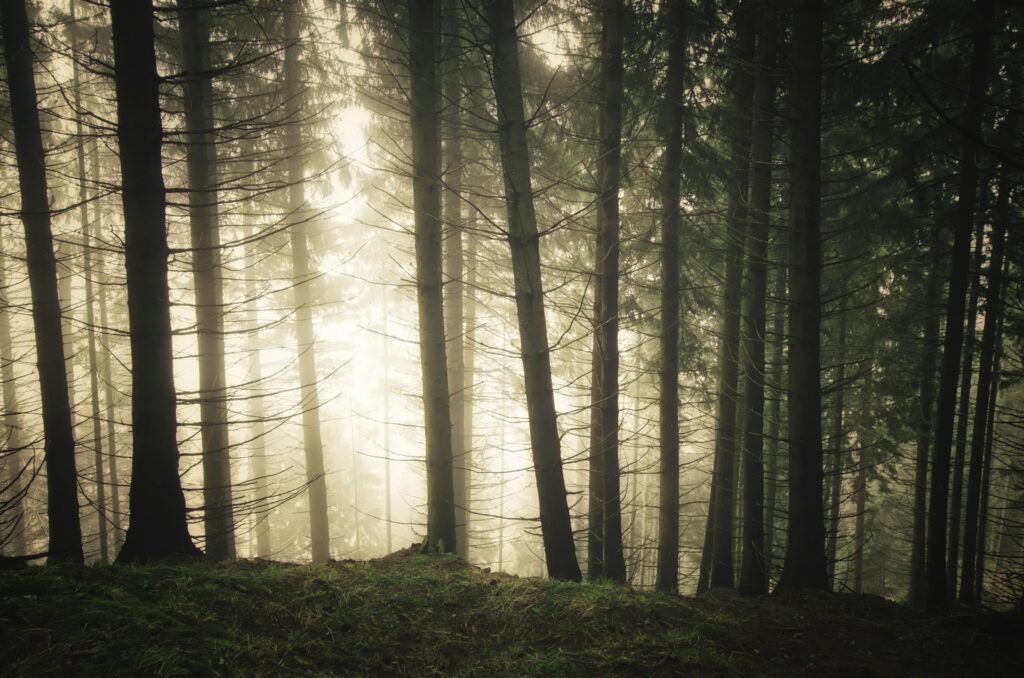
Humans have become an urban species: more than half of the world’s population now lives in urban areas, far from the woods and green spaces where we lived for almost all of our history as a species. This change happened far too quickly for us to fully adapt, and the mismatch has real costs.
We are more and more disconnected from nature. Cities rarely have as much green space as they need, because parks are costly to maintain and often lose out to uses seen as more important, or more profitable. The public garden has become a place we hurry through rather than a place to stop or meet. Technology has become woven into every part of our routines: we look around less and check our phones more, out of both need and habit.
It was in response to this kind of disconnection that, in 1982, Japan’s Forestry Agency began promoting “forest bathing” to bring people out of cities and back in touch with nature.

What the research says
The research has grown quickly: dozens of studies, mostly small and short-term, have found encouraging effects on stress, mood and some physiological markers, such as blood pressure. The evidence is promising, not conclusive, and that’s how we present it. Read a summary of the main findings and their limits.
There’s also growing interest in bringing some of these benefits indoors, into homes and workplaces: see Indoor Forest.
The forest bathing sessions and programs we run are simple, engaging, accessible to everyone and inexpensive.
Forest bathing is a well-being practice, not a medical treatment, and it doesn’t replace medical care.